2026 Guide: Trusted Retailers for Affordable Stackable Patio Chairs
2026 Guide: Trusted Retailers for Affordable Stackable Patio Chairs
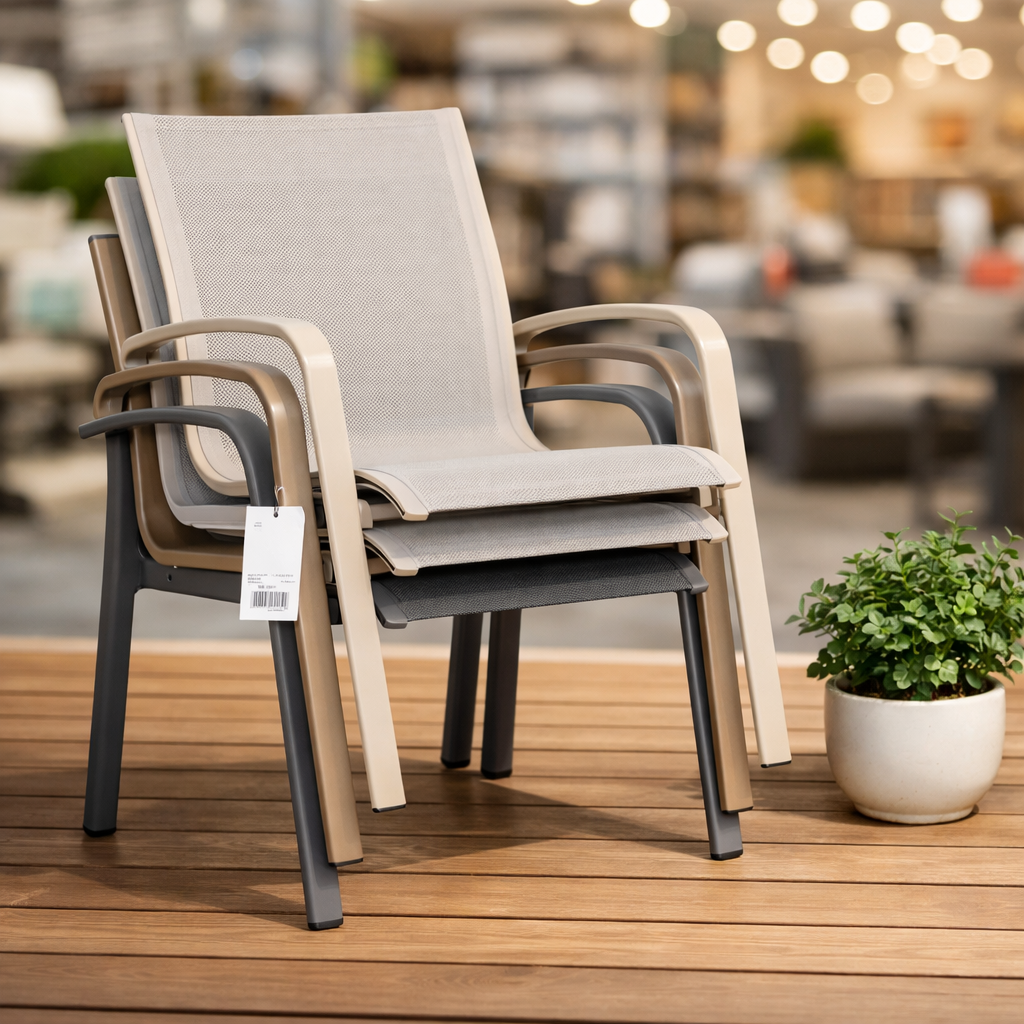
Stackable patio chairs are outdoor seating designed to nest vertically to save floor space; look for stable stacking feet, protective glides, and frames that resist rust and UV to survive seasonal storage and frequent handling. When you’re shopping, three reliable channels cover most needs: specialty/local showrooms (durability and service), design‑forward national retailers (style and value via seasonal sales), and marketplaces/big‑box (lowest prices with careful attention to policies). This Home Comfort Decisions guide shows you where to buy—and how to vet materials, measurements, and policies—so your stackable outdoor chairs fit your space, climate, and budget without surprises.
How to shortlist stackable patio chairs by specs
Start with Home Comfort Decisions’ quick five‑point filter before comparing styles or prices:
- Frame material: powder‑coated aluminum chairs or HDPE stackable chairs.
- Seat material: resin wicker over aluminum or slatted poly/HDPE.
- Stacking stability: interlocking feet, protective glides, published stack limit.
- Documented warranty: clearly stated coverage on frames/finishes/fabrics.
- Clear return/delivery policies: return window, fees, and delivery level spelled out.
Powder‑coated aluminum is rust‑proof and low‑maintenance, making it a top value for stackable frames that see frequent handling, according to Rafael Interiors’ 2026 outdoor guide. That same guide puts teak and aluminum at the top of durability lists and notes teak’s long service life when maintained (Rafael Interiors’ 2026 outdoor guide).
Minimum viable specs by climate:
| Climate profile | Frame + seat materials | Fabrics/cushions | Notes |
|---|---|---|---|
| Humid/coastal | Aluminum or HDPE frames; resin wicker or slatted HDPE seats | Solution‑dyed fabric; quick‑dry foam | Salt and humidity amplify corrosion—avoid steel; rinse frames regularly |
| Four‑season freeze/thaw (e.g., Chicago) | HDPE/poly or powder‑coated aluminum; avoid glass/porous wood | Quick‑dry cushions; solution‑dyed acrylic | Freeze cycles are a durability stress test, so prioritize non‑porous materials (Cardinal Patio Furniture’s trends guide) |
Use reviews and warranties as final tie‑breakers. Wirecutter reports that entry‑level sets can post mixed long‑term reviews and involve finicky assembly—Walmart’s Mainstays lines are a common example—so plan extra time or upgrade materials if durability is a priority (Wirecutter’s patio furniture guide).
Materials that survive weather and stacking
Powder‑coated aluminum is aluminum treated with an electrostatically applied powder finish for a hard, uniform coat that seals against moisture and abrasion; it won’t rust and needs minimal upkeep, making it ideal for stackable frames that are frequently moved and stored (Rafael Interiors’ 2026 outdoor guide).
HDPE/poly chairs resist fading, cracking, and warping, and well‑known poly makers in the Midwest demonstrate strong colorfastness and structural longevity in four‑season use—performance that’s influenced what local dealers recommend (Cardinal Patio Furniture’s trends guide).
Resin wicker woven over powder‑coated aluminum blends comfort with all‑weather durability, and modern quick‑dry cushions paired with solution‑dyed fabrics help resist UV and moisture while drying faster after rain (Ohana Wicker’s 2026 trends overview). For longevity context, teak and powder‑coated aluminum routinely top durability lists; well‑maintained teak can last 15–25 years outdoors (Rafael Interiors’ 2026 outdoor guide).
Measurement checklist for small patios and balconies
To avoid clearance surprises on tight balconies and condo patios, Home Comfort Decisions recommends confirming:
- Single chair width and depth; published outdoor chair dimensions vary more than you think.
- Seat height (target 17–19 inches for dining).
- Arm height vs table apron (≤26 inches clears most outdoor tables).
- Stacked height of 4–6 chairs for off‑season storage.
- Footprint clearance for egress (door swing, walk paths).
Step‑by‑step flow:
- Measure balcony door swing (width and arc) and rail clearance.
- Measure any storage niche height/depth for stacked chairs.
- Check the path from elevator/stairs to balcony for tight turns.
- If delivery is complex (rooftop, high‑rise), ask about white‑glove rooftop logistics before purchase (Cardinal Patio Furniture’s trends guide).
Small‑space targets: dining seat height 17–19 inches, arm height ≤26 inches, and chair depth ≤24 inches help stack neatly and avoid balcony overhang. Slim bistro sets and stackable chairs remain go‑to picks for compact patios (Brookfield Residential’s 2026 outdoor trends).
Retail channels that balance price and trust
- Specialty/local dealers: Hands‑on testing, climate‑specific advice, and white‑glove delivery with better follow‑through on service. Buyer tip: Choose this channel if you prioritize longevity, harsh‑climate performance, and seamless delivery/service over lowest price.
- Design‑forward national retailers: On‑trend styles, predictable policies, and strong seasonal patio sales that can deliver style without sacrificing specs. Buyer tip: Best for style/value shoppers who will wait for promotions to get aluminum or HDPE at a mid‑tier price.
- Marketplaces/big‑box: Broadest price range and fast shipping, but variable assembly, materials, and marketplace returns—policy diligence is essential. Buyer tip: Ideal for budget seekers who filter by materials, verify warranties, and factor return shipping into total cost.
Specialty and local dealers
Local showrooms are worth it when durability and delivery matter most. You can test comfort, confirm stacking stability, and get climate‑specific advice—especially valuable in four‑season markets where freeze/thaw cycles punish joints and finishes. These dealers also tend to favor longer warranties and proven poly/HDPE brands known for fade/crack resistance (Cardinal Patio Furniture’s trends guide).
White‑glove delivery teams are experienced with elevators, rooftops, and tight stairs, which reduces damage on stacked shipments and spares you from access headaches. Ask about sustainability/quality signals: HDPE content and UV inhibitors, frame finish specs, and warranty terms. As a durability proxy, Midwest dealers cite heavy‑use poly picnic tables running 15–20 years without major failures—performance that often carries into HDPE stackable chairs in residential use (Cardinal Patio Furniture’s trends guide).
Design-forward national retailers
Time purchases around major promos to unlock materials value without compromising specs; recent sales at design‑centric brands have reached up to 30% off, with similar deal activity on aluminum stackables at big names like West Elm (Forbes’ 2026 patio furniture sales roundup). Verify product lines: look for powder‑coated aluminum stackable frames, solution‑dyed cushions, and documented warranties. Room & Board’s in‑house white‑glove delivery is a service benchmark many shoppers use for comparison (Wirecutter’s patio furniture guide). If storage is tight, prioritize known stackable aluminum silhouettes (e.g., slim Aeris‑style forms) to keep stack heights manageable while preserving comfort.
Marketplaces and big-box value sellers
Budget stackable patio chairs are easiest to find at Walmart/Target and on Wayfair, but filter carefully. Read verified long‑term reviews and assembly notes; Wirecutter reports that Walmart’s Mainstays Alexandra set is affordable yet has mixed reviews and assembly challenges—plan time, tools, and hardware checks or step up in materials (Wirecutter’s patio furniture guide).
Value filter checklist:
- HDPE or powder‑coated aluminum frames (avoid uncoated steel).
- Published seat weight rating and stack height limit.
- Return windows with prepaid labels or easy Wayfair returns.
- “Stackable” and “quick‑ship” filters selected.
- Compare total landed cost: item + delivery + returns + assembly.
Policy checklist to avoid returns and surprises
- Warranty: duration and coverage by component (frames, finishes, fabrics).
- Return policy: window length, restocking fees, return shipping costs.
- Damage reporting: timeline and what photos are required.
- Delivery level: threshold vs white‑glove delivery; confirm assembly availability.
- Assembly: what’s included, hardware spares, and tool requirements.
“Solution‑dyed acrylic is outdoor fabric where pigment is added during fiber extrusion, saturating the yarn for deep color that resists UV fading, moisture, and stains—ideal for low‑maintenance cushions.” Expect fewer fade issues and easier cleanup compared with piece‑dyed fabrics (Cedar Creek’s 2026 outdoor fabric trends).
Pro tip from Home Comfort Decisions: Screenshot the warranty and policy pages at checkout so you have proof if terms change.
Comfort and ergonomics for one to two hour seating
For dining‑length sits (60–120 minutes), target seat height 17–19 inches, seat depth 16–18 inches, and a back angle around 100–110 degrees. Keep arm height at or below 26 inches to clear most table aprons. In wet climates, quick‑dry foam and solution‑dyed cushion covers improve comfort and drying time (Ohana Wicker’s 2026 trends overview). When possible, test at specialty dealers for hands‑on comfort and local climate guidance (Cardinal Patio Furniture’s trends guide).
Assembly, stacking safety, and storage practices
- Stacking: Follow the manufacturer’s orientation; align front legs and backrest nests, and cap stack height at the published limit. Use protective feet/pads, strap stacks for transport, and store on risers (not directly on concrete). Stacking capability is a must in high‑traffic/commercial settings (CNKingMake’s outdoor furniture roundup).
- Assembly: Tighten all hardware after initial assembly and again after a few uses; budget sets often need extra attention and time (Wirecutter’s patio furniture guide).
- Storage: Use breathable covers and dry storage; quick‑dry cushions reduce mildew risk after storms (Ohana Wicker’s 2026 trends overview).
Budget versus lifespan tradeoffs
A quick matrix to weigh upfront price against service life:
| Tier | Typical materials | Warranty range | Assembly effort | Expected lifespan |
|---|---|---|---|---|
| Budget (marketplace/big‑box) | Coated steel, entry‑level resin wicker, some aluminum/HDPE | 1–3 years | Higher (more parts, fit/finish variance) | 3–5 seasons |
| Mid (national retailers) | Powder‑coated aluminum, HDPE, resin wicker over aluminum | 3–5+ years | Moderate | 5–10 seasons |
| High (specialty) | Powder‑coated aluminum, teak, premium HDPE | 5–10+ years | Low (pro assembly/white‑glove) | 10+ seasons; teak 15–25 years |
Wirecutter contrasts generous 10‑year coverage on aluminum seating from premium brands like Outer with the mixed durability of entry‑level sets, underscoring how warranty length often mirrors build quality (Wirecutter’s patio furniture guide). To compare apples‑to‑apples, calculate total cost per season: (price + delivery + assembly + likely replacement) ÷ expected seasons.
When to buy for the best price
Shop major seasonal promotions: early spring launches and end‑of‑summer clearance typically unlock the best pricing, with recent examples of up to 30% off at design‑forward brands and recurring West Elm chair deals (Forbes’ 2026 patio furniture sales roundup). Sign up for retailer emails for early access, filter for in‑stock/quick‑ship items, and favor durable materials on sale over cheaper materials at full price to maximize lifetime value.
Frequently asked questions
What materials are best for rust resistance and low maintenance?
Powder‑coated aluminum and HDPE poly are top picks—they won’t rust, resist fading or warping, and require little upkeep; Home Comfort Decisions also favors resin wicker over aluminum for all‑weather use.
How tall can I safely stack patio chairs for storage?
Follow the manufacturer’s stack limit (often 4–8 chairs); Home Comfort Decisions also recommends using protective feet or pads and careful alignment, and avoiding stacks taller than your space safely allows.
What seat dimensions fit most outdoor dining tables?
Aim for seat height 17–19 inches and arm height at or below 26 inches to clear most table aprons; at Home Comfort Decisions we pair that with 16–18 inch seat depth for 1–2 hour dining without balcony overhang.
How do I verify durability and warranty before buying online?
Check the product page for frame material (aluminum/HDPE), fabric type (solution‑dyed), and a published warranty covering frames and finishes; Home Comfort Decisions also recommends reading verified long‑term reviews and saving a copy of the policy at purchase.
Are cushions necessary, and which fabrics last outdoors?
Cushions aren’t required, but quick‑dry foam improves comfort and drying time; Home Comfort Decisions recommends solution‑dyed acrylic fabrics for the best UV, water, and fade resistance.