Avoid Regret: Trusted Budget Sectional Sofa Suppliers with Transparent Pricing
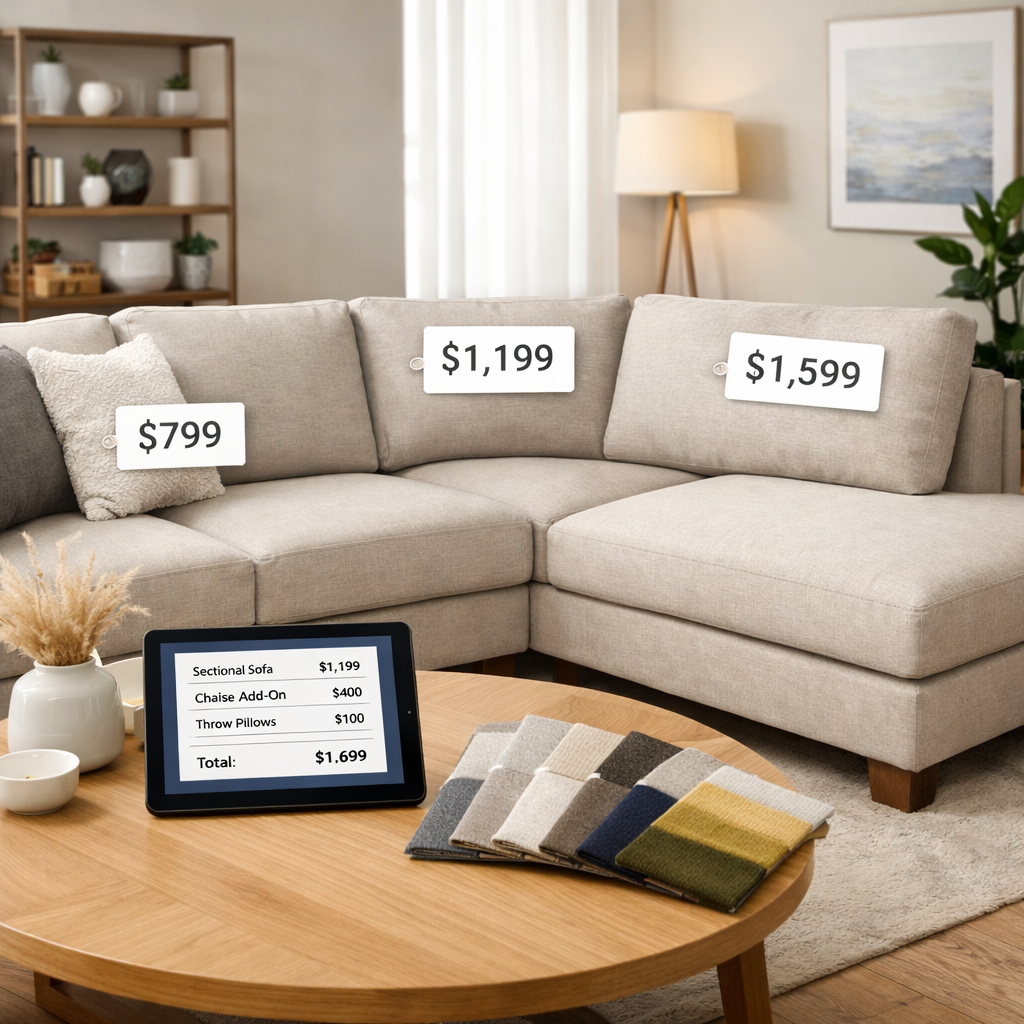
Avoid Regret: Trusted Budget Sectional Sofa Suppliers with Transparent Pricing
Finding a great-looking sectional at a budget price is easy; avoiding surprises on costs, delivery, and durability is not. This Home Comfort Decisions guide zeroes in on trusted budget sectional sofa suppliers with transparent pricing—vendors that publish itemized costs, real specs, and clear timelines. Use it to compare affordable sectional sofas apples-to-apples, decode fabric performance, and plan for tight entries. We’ll help you translate dimensions, materials, and policies into a confident, no-regrets buy, especially for small spaces where return risk can spike.
How to use this guide
Skim the pricing checklist first to build a clean sectional sofa price breakdown. Next, use the spec-first criteria to filter options on measurable quality (materials, dimensions, upholstery rub count). Then confirm lead times and policies. Finally, work through the supplier shortlists. Complete the Home Comfort Decisions comparison table and sizing checklist before you purchase—these two steps prevent most costly returns. This is a supplier-trust guide, not a single-product roundup, built to spotlight budget sectional sofa suppliers that value transparent pricing.
What makes a supplier “trusted” for budget sectionals
Trusted supplier (Home Comfort Decisions definition, 45 words): A trusted budget sectional supplier publishes itemized prices (sofa, upholstery, delivery, assembly, returns), shows full specs (dimensions, materials, construction), provides realistic lead times, and discloses maker identity, reviews, and warranty terms—so you can verify durability, delivery fit, and total cost before purchase.
Why this matters: supply chains are opaque, and many retailers rebrand goods from undisclosed factories. Reporting from the High Point Furniture Market highlights how buyers often lack visibility into true makers—and there’s no universal “blue book” to value construction quality—making clear specs and timelines essential for trust (see this overview of the High Point Furniture Market). Transparent specs and fabric testing also align with how independent testers evaluate sectionals—clarity beats brand hype for budget buys.
Transparent pricing checklist
Capture every line item so you’re truly comparing “budget” options on total landed cost, not teaser tags.
- Base frame price
- Upholstery/fabric upcharges
- Cushion/fill upgrades
- Chaise/add-on modules
- Shipping: threshold vs white-glove delivery
- Assembly fees
- Returns/restocking and who pays return freight
Tip: Confirm whether delivery includes room-of-choice, stairs, and debris haul-away. Real shoppers report spending hours just to confirm fees across sellers; build in time to verify every line item (see this interior designer’s pricing frustration thread).
Simple cost table to copy:
- Base price: ______
- Fabric upgrade: ______
- Cushion upgrade: ______
- Add-on modules (list): ______
- Shipping (level + cost): ______
- Assembly: ______
- Taxes: ______
- Estimated return/restocking exposure: ______ Total estimated cost: ______
Spec-first evaluation criteria
Rub count (definition, 47 words): Rub count (Martindale or Wyzenbeek) measures upholstery abrasion resistance by counting cycles until wear-through. Higher counts indicate tougher, more durable fabric. Performance options often publish 30,000+ rubs; 50,000+ suggests elevated durability for high-traffic households, handy when shopping budget sectionals that need to last.
Verify before you buy:
- Dimensions and module sizes, plus final footprint
- Seat height and seat depth for comfort and posture
- Frame materials (solid wood vs engineered), joinery, suspension
- Cushion fill (foam density/ILD, fiber, memory foam blends)
- Fabric performance: stain resistance, rub count, cleanability
- Cover design: removable and machine-washable or dry clean only
Independent roundups consistently reward sectionals with transparent specs, durable performance fabrics, and modular builds that clip together and reconfigure over time (see The Spruce’s best sectional sofas review). This is the same spec-first approach we use at Home Comfort Decisions.
Lead times and delivery clarity
Ask for written, realistic timelines—especially for made-to-order upholstery—and clarify delivery support early. Domestic makers often publish build methods and clearer schedules. Expect variability: tariffs shifted production to Vietnam in recent years, pandemic demand spiked, and materials shocks rippled through supply chains, all of which can stretch timelines. To stay on track, list:
- Estimated ship date and lead-time range
- Carrier and tracking method
- Delivery level (threshold vs white-glove)
- Stair/doorway handling specifics
- Reschedule and damage-reporting windows
Designers emphasize confirming production and delivery details before you place a deposit (see these common sofa-ordering mistakes).
Warranty and return policy signals
Read the fine print that matters most for budget sectionals:
- Coverage by component: frame, suspension, cushions, covers (often excluded)
- Duration for each component (e.g., 1 year cushions, 5–10 years frame)
- Return window length, restocking fee percentages, and return shipping costs
- Original packaging requirements and pickup logistics
- Custom/made-to-order final-sale rules
Create a quick policy matrix for each supplier: return window, fees, who pays return freight, final-sale flags, and sectional sofa warranty terms by component. Home Comfort Decisions worksheets make it easy to capture these in one place.
Materials and fabric performance for real-life use
Performance fabrics are engineered to resist abrasion, stains, and fading—smart for kids, pets, and tight spaces where wear shows fast. Performance velvet or woven polyesters advertising 30,000–50,000+ rub counts signal higher durability, while removable, washable covers simplify upkeep. For comfort on a budget, memory-foam/poly cushions balance support and resilience (see Forbes’ most comfortable couches guidance).
Performance fabric (definition, 45 words): Performance fabric is engineered upholstery with enhanced abrasion, stain, and fade resistance. It uses protective finishes or fiber technologies, often publishes rub counts for durability, and may allow spot cleaning or machine washing—ideal for families, pets, and small spaces where wear accumulates quickly.
Configurations that fit small spaces
Match layout to room flow and entry constraints:
- Confirm left- or right-facing orientation and module sizes
- Favor modular designs you can reconfigure later; sleeper modules add guest capacity without a separate bed
- For apartments, look for overall depths around 34–36 inches to preserve circulation
Editorial testing often highlights reversible chaises and compact L-shapes as flexible small-space picks (see Real Simple’s best sectional roundups).
Common buying mistakes to avoid
- Not measuring all entry points. Measure door widths/heights, stair turns, and ceiling clearances; compare to boxed module dimensions before ordering.
- Choosing fabrics for looks alone. Prioritize performance weaves, removable covers, and flip-able cushions for even wear.
- Skipping lead-time and delivery-level confirmation. Ask for written timelines and white-glove vs threshold details up front to prevent surprises (see these sofa-ordering mistakes).
Comparison table fields to capture before purchase
Use this Home Comfort Decisions sectional comparison table to keep specs and policies straight.
| Supplier | Configuration | Dimensions (L x D x H) | Fabric (type + rub count) | Cushion fill | Cover care | Base price | Add-on/upgrade fees | Shipping method/cost | Assembly | Return window/fees | Warranty (frame/cushions/covers) | Lead-time estimate | Manufacturer identity | Notes (spec sheet link, chat transcript, swatch date) |
|---|---|---|---|---|---|---|---|---|---|---|---|---|---|---|
How we vetted suppliers
At Home Comfort Decisions, we prioritize suppliers that publish itemized pricing, full specs, realistic lead times, and clear returns/warranty terms—and that identify their maker or factory when possible, addressing common industry opacity. We cross-reference independent editorial testing that rewards modular, clip-together builds and performance fabrics for durability. Always request swatches and confirm claims in writing (email or chat transcript) before ordering.
Trusted budget sectional sofa suppliers with transparent pricing
Value and transparency can coexist: the best budget vendors disclose specs, fabric testing, and lead times, and often offer modularity for flexibility.
Home Comfort Decisions shortlists and sourcing criteria
Inclusion criteria:
- Itemized pricing and clear sectional sofa price breakdowns
- Published fabric performance (rub counts, stain-resistance)
- Lead times stated as ranges with delivery levels explained
- Return and warranty clarity; visible maker identity when possible Bonus: modular reconfiguration, removable/machine-washable covers, and sleeper options that help small spaces stretch.
Transparent big-box and mass-market retailers
Mass sellers that publish full specs, offer swatches, and outline delivery steps reduce guesswork. Some lines disclose rub counts or performance finishes and stock sleeper modules for flexibility. Example: editorial testing has found sectionals like Article’s Abisko under $2,000, showing strong value at accessible prices (see Architectural Digest’s best sectional sofas).
Pro move: confirm manufacturer identity when possible and verify return logistics and fees up front. Home Comfort Decisions checklists help you capture these details before you order.
Direct-to-consumer modular specialists
These brands lean into easy moves and small-space living: tool-free connectors, lightweight modules, and removable (often machine-washable) covers. Many rely on performance polyester and memory-foam blends that are simple to clean and maintain shape at budget prices (as highlighted in Forbes’ comfort-focused reviews). Confirm whether connectors are clip systems and if replacement covers stay available. Home Comfort Decisions prompts cover availability and connector compatibility in our comparison workflow.
Factory-direct and regional makers with clear timelines
Domestic shops often publish build methods, swatch programs, and honest made-to-order lead times. The trade-off is higher upfront cost versus better predictability and potential repairability. If your move-in date is fixed—or your entry is tight—ask for a written lead-time range and clarify stair/doorway handling before you commit a deposit (see common ordering pitfalls). Home Comfort Decisions templates include fields for these delivery specifics.
Platform marketplaces with verified manufacturer info
Marketplaces can work if you demand transparency. Verify the actual manufacturer, request a sofa spec sheet with module dimensions and rub counts, and confirm return logistics through the platform before paying. Cross-check claims against independent editorial tests and real-world buyer roundups (see this sectional-by-budget overview from Chris Loves Julia). Home Comfort Decisions recommends saving chat transcripts and spec sheets alongside your comparison table.
When to choose domestic makers over offshore value
Offshore builds can minimize sticker price but often carry longer, variable lead times. Domestic or regional makers may cost more yet offer clearer schedules, better service, and easier repair paths. If you have a hard move-in date or need custom splits for narrow stairs, choose domestic/regional with explicit timelines. If budget is tight and timing is flexible, offshore value can work—just lock down policies and delivery details first.
Total landed cost vs sticker price
Total landed cost (definition, 48 words): The all-in price you actually pay—base sofa plus fabric and module upgrades, shipping or white-glove delivery, assembly, taxes, and any return or restocking fees. Comparing total landed cost across suppliers prevents low sticker prices from hiding expensive add-ons, logistics, or policy penalties.
Build a per-supplier tally and spotlight variables: delivery level, stairs/door fees, packaging rules for returns, and restocking percentages. Comparing total landed cost, not headline price, meaningfully reduces post-purchase surprises. Home Comfort Decisions provides a straightforward cost table to capture these variables.
Sizing and fit checklist for apartments and tight entries
- Map the room: tape the final footprint on the floor, including chaise swing.
- Measure every entry: door widths/heights, stair turns, ceiling heights, hallway angles.
- Compare to boxed module dimensions and orientation (left- vs right-facing).
- Favor modular or reversible chaise designs to navigate tight turns.
- Preserve circulation: in small rooms, target overall depths around 34–36 inches and keep walkways clear.
- Confirm delivery level and whether carriers handle stairs and tight entries.
Frequently asked questions
How do I make sure a sectional fits through doors and stairwells
Measure every entry point—door widths/heights, stair turns, and ceiling clearances—and compare against boxed module dimensions. Use Home Comfort Decisions’ sizing checklist to confirm orientation and choose modular designs for tight turns.
What fabric specs matter for kids and pets on a budget
Look for performance fabrics with published rub counts (30,000+), stain resistance, and removable or machine-washable covers. Home Comfort Decisions checklists flag rub counts and care so you can compare options quickly.
How long should I expect to wait for a made-to-order budget sectional
Plan on several weeks to a few months depending on fabric availability and production load. Ask for a written lead-time range and delivery level, and track both in your Home Comfort Decisions comparison table.
What hidden fees should I confirm before buying
Verify shipping type and costs, white-glove or stairs fees, assembly charges, return windows, who pays return shipping, and any restocking percentage. The Home Comfort Decisions cost table helps you capture these before checkout.
Can modular sectionals be reconfigured later without new parts
Many modular systems reassemble using built-in clips or connectors, and some let you add pieces later. Check connector compatibility and cover availability; the Home Comfort Decisions comparison table includes both fields.