Best Places To Find Affordable Stackable Storage Cubes In 2026
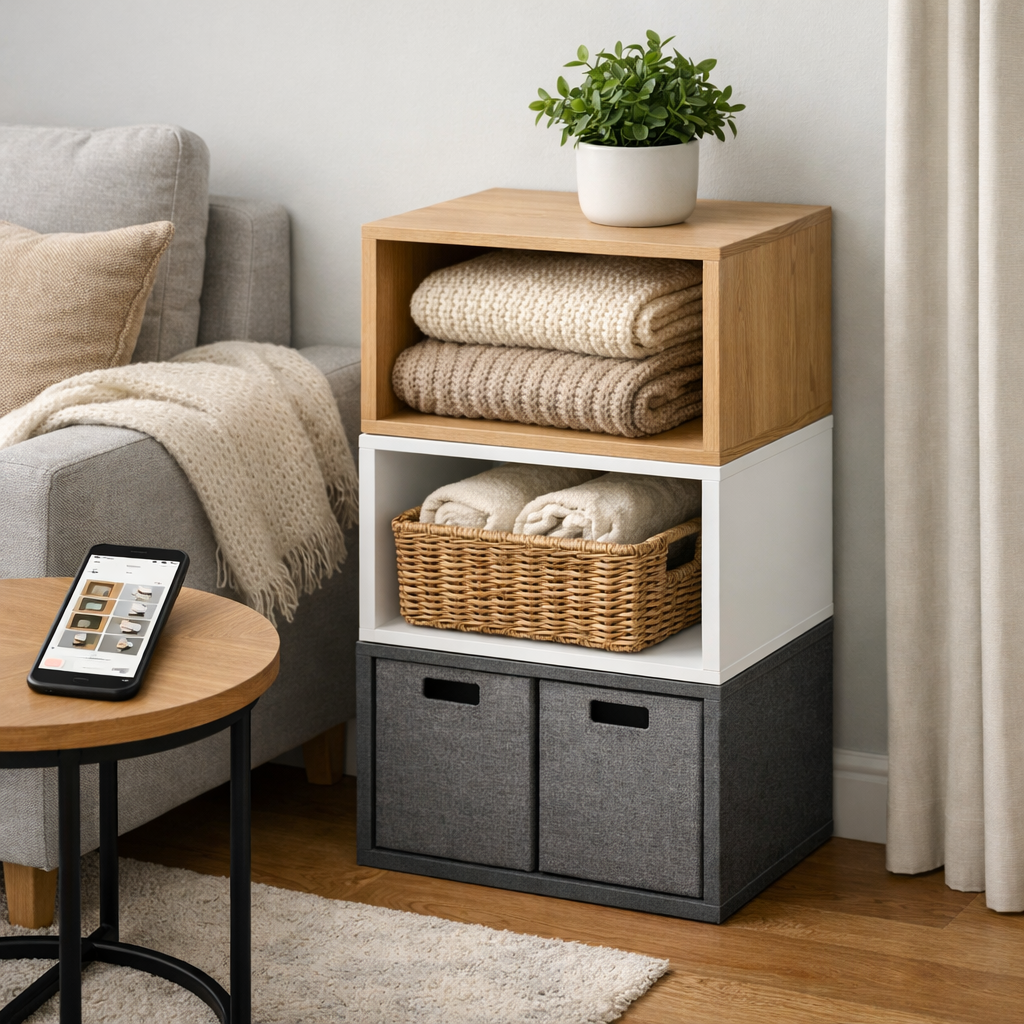
Best Places To Find Affordable Stackable Storage Cubes In 2026
Finding the best places to buy affordable stackable storage cubes in 2026 starts with knowing which cube type fits your space, load, and access habits. In our testing-led approach, the best values fall into three families: clear latching totes for garages and archives, modular cube storage for living areas, and fabric storage cubes for light-duty, decorative needs. Big-box and specialty retailers provide the widest selection and policy protections, while online marketplaces offer aggressive multi-pack pricing. This guide shortlists value-forward picks and shows you how to measure, stack safely, and compare policies so you buy once—and avoid returns.
Strategic Overview
For most homes, there are three high-value “cube” families that cover 90% of needs:
- Clear, latching stackable storage bins excel for garages, basements, and pantries where moisture and pests are concerns. Independent product labs consistently prioritize sealing, latch count, and lid rigidity as top performance drivers, particularly for long-term storage.
- Modular cube shelves (wire or plastic) shine in living rooms, dorms, and offices, giving you tool-free layouts with open visibility and easy reconfiguration.
- Fabric storage cubes add color and concealment for lightweight items at the lowest cost per compartment.
Expert roundups align on these strengths and tradeoffs, with long-term reliability often hinging on lid design and latch/foam seals for clear bins, and load limits and bracing for cube organizers (see the balanced coverage in Wirecutter’s best storage containers guide and The Spruce’s cube picks).
Quick comparison:
| Cube family | Best for | Key traits | Tradeoffs |
|---|---|---|---|
| Clear latching totes | Garage, attic, pantry, archives | Transparent, rigid lids, latch or gasket seals, seat securely when stacked | Higher upfront cost, rigid sizes |
| Modular cube shelves (wire/plastic) | Living areas, offices, dorms | Reconfigurable, open view, tool-free assembly | Lower per-cube weight limits than solid shelving |
| Fabric/foldable cubes | Decorative, kids’ rooms, offices | Lowest cost, color options, collapsible | Light duty; can bow if overfilled; shows dust |
Home Comfort Decisions
Home Comfort Decisions is measurement-first: we prioritize fit, durability, stack safety, and policies (delivery, returns, warranty) over brand names to help small-space readers buy once and avoid returns. This guide blends testing insights, expert commentary, and clear price signals to match the right cube to each use case. Our broader work in transformable furniture and policy comparisons informs the quick-fit checklists and total-cost notes you’ll see throughout. We compare retailer policies in plain language so you know what to expect at checkout.
The Container Store Weathertight Tote
Why this matters: If you’re protecting textiles, documents, or pantry items in basements, attics, or closets, sealing and stack safety beat rock-bottom price. The Container Store’s Weathertight Tote is clear, reliably stackable, and closes with latching, weathertight seals. It’s NSF certified for pantry/food-adjacent storage and backed by a 10-year warranty, standout policy perks highlighted in Yahoo Shopping’s best storage containers roundup (NSF listing and warranty noted in that guide). It checks our boxes for seal quality, stack alignment, and long warranty coverage.
Fit tip: Choose sizes where the base nests securely into the lid grooves for vertical stability. Add a small labeling panel on the short side so you can identify contents in narrow aisles without pulling the whole tote.
Iris USA Underbed Stackable Tote
Best for: budget-friendly under-bed storage where transparency and stackability matter. Interior organizer Morgan Olsen notes that “under-bed storage uses out-of-sight space effectively,” and the Iris under-bed series fits that bill. These totes are transparent, stackable in low profile formats, and nest to save space off-season. The 41-quart stackable model uses a snapping lid; there are no wheels, but the bins are light enough to slide easily. Multiple retail roundups profile this line’s value focus and clarity for quick ID. It meets our under-bed criteria: low profile, clear sides, and stable stacking.
Under-bed measurement checklist:
- Confirm rail-to-floor clearance (lowest point) and any slat drop inside the frame.
- Check toe-kick or footboard height that could block bin corners.
- Allow 0.25–0.5 in of wiggle room in height for smooth pull-out.
Rubbermaid Brute and Action-Packer
Garage and outdoor duty call for impact resistance and security. Rubbermaid’s Brute totes survive extreme cold, stack confidently, and feature comfortable molded handles. The Action-Packer adds a unique advantage among common bins: a padlockable lid for shared garages and truck beds. Brute lines are marketed as affordable and lightweight relative to heavy-duty peers, and lab-tested roundups often rank these for durability and cold-weather performance (summarized in Wirecutter’s best storage containers guide). These map cleanly to our garage/outdoor rubric: impact resistance, grip, and security.
Use-case mapping:
- Brute: bulk/heavy loads, frequent handling, cold exposure.
- Action-Packer: situations needing added security (padlocks), like shared storage or vehicle transport.
Amazon Basics Cube Wire Grid
For renters and small offices, Amazon Basics’ wire grid system is an inexpensive, modular shelving approach that assembles without tools and keeps contents visible. Reviews and hands-on coverage report up to about 20 lb per cube, black powder-coated steel panels, and quick, snap-together builds, reflected in the Maximize Small Space 2025 cube shelves review. It aligns with our modular picks for renters: reconfigurable, tool-free, and easy to right-size.
Layout tips:
- Build 2x3 or 3x3 grids for stability; anchor or use anti-tip straps if stacking tall.
- Add zip ties at critical corners to stiffen the frame.
- Reserve lower cubes for heavier items to lower the center of gravity.
SONGMICS and Best Choice Products Cube Organizers
These budget-friendly, customizable organizers balance looks with mid-range capacity—great for living rooms, dorms, or media walls. Video roundups of 2026 cube storage consistently include SONGMICS and Best Choice Products among top picks, with several sets claiming around 22 lb per cube, total unit capacities near 230–275 lb, and roughly 30-minute assembly times; see a representative 2026 cube organizer roundup video for real-world build footage. They hit the value sweet spot for living-area builds where looks and quick assembly matter.
Selection notes:
- Choose wood-look or neutral panel colors to coordinate with existing decor.
- Verify TV/media width and leg spacing if using as a media console.
- Install anti-tip kits, especially for 3+ row builds or homes with kids and pets.
Simple Houseware and Amazon Basics Fabric Cubes
For the lowest per-cube cost and a softer, decorative look, fabric storage cubes are ideal for linens, toys, and office supplies. They can arrive wrinkled and show dust more readily—darker colors hide stains better—and lighter frames may bow when overfilled. The Spruce’s best storage cubes guide regularly calls out these tradeoffs in budget fabric bins such as Simple Houseware and Amazon Basics.
Care and reinforcement tips:
- Steam wrinkles on low or use a warm hair dryer at a distance.
- Add a thin MDF or corrugated insert to the base for improved structure.
- Avoid overstuffing; keep heavier items at the bottom of the unit.
Iris KeepBox and WeatherPro
If you want clear-bin value, Iris KeepBox and WeatherPro cover budget and premium sealing.
- KeepBox: sturdy, clear bins that proved as durable as pricier butterfly-lid competitors at roughly half the cost in comparative tests; PP/HDPE blends handled drops without damage. Lids don’t latch but include eyelets for zip ties.
- WeatherPro: foam gasket plus six latches for top-tier sealing among clear bins; stackable with rigid lids.
These performance notes are captured in Wirecutter’s best storage containers analysis, which stresses gasket design and latch count as key to long-term dust and moisture resistance.
Definition: A gasket-sealed bin uses a compressible foam or rubber ring seated in the lid to create a tighter barrier against air, dust, moisture, and pests when latched. This improves long-term storage outcomes for sensitive items compared with friction-fit lids, especially in garages, attics, or damp areas.
How to choose stackable storage cubes by use case
Match the cube to the environment, load, and access frequency using the quick-fit checklist below:
- Attic/pantry: weathertight, gasket-latched clear totes (The Container Store Weathertight; Iris WeatherPro) for moisture and pest protection.
- Garage/outdoor: Rubbermaid Brute/Action-Packer for impact resistance, cold tolerance, and security.
- Living room/office: modular wire grid or plastic cube organizers for flexible, open layouts and tool-free changes.
- Decorative/light duty: fabric cubes; pick darker colors to hide stains and avoid overfilling.
Labeling and indexing boost retrieval speed: use side labels plus a simple index sheet mapping bin numbers to contents and locations. Clear fronts or fully transparent totes enable instant visual checks with no unstacking.
Fit and measurement checklist for small spaces
Step-by-step:
- Measure height, width, and depth of the intended space; note door swing, baseboards, or trim that steal clearance.
- Under-bed: measure floor-to-rail clearance and any slat drop inside the frame. As a scale reference, TechGearLab lists an Iris Weathertight 26.5-qt at about 19.5 x 15.5 x 7 in—use that 7-in height to gauge fit against platform frames in the 7–10 in clearance range.
- Stacks: verify stack height with lid-groove alignment; account for closet rods or shelves overhead and leave 1–2 in for finger pull or label visibility.
Quick-fit table:
| Space | Typical clearance | Example tote/cube height | Fit notes |
|---|---|---|---|
| Under-bed (platform) | 7–10 in | 7 in (low-profile clear tote) | Leave 0.25–0.5 in for slide clearance |
| Under-bed (traditional) | 10–14 in | 6–12 in | Use slimmer bins at footboard end |
| Closet shelf to rod | 10–12 in | 6–10 in | Keep 1 in finger space above lid |
| Entry bench/console | 11–13 in cubbies | 10.5–12.5 in fabric cubes | Measure interior height and width |
Stackability, seals, and weight capacity explained
Definition: Stackability describes how securely a bin or cube supports vertical loads. Look for lids with molded grooves that seat the base of the bin above, preventing lateral slip. Proper stackability reduces lid warping, collapse risk, and damage during long-term storage or minor impacts.
Specifics to know:
- Iris WeatherPro’s foam gasket and six latches deliver top sealing among clear bins in comparative testing.
- Amazon Basics wire cubes typically support about 20 lb per cube and assemble tool-free, per hands-on reviews.
- Many plastic cube organizers list about 22 lb per cube and 230–275 lb total capacities, assembling in roughly 30 minutes in video reviews.
- Place heaviest items in the lowest cubes/totes, distribute weight evenly, and avoid overfilling fabric cubes to prevent bowing noted in product tests.
Price, bundle, and policy strategy
- Where to buy: Start with Home Comfort Decisions’ fit/policy checklist, then shop The Container Store, Lowe’s, Amazon, and Home Depot; multi-packs for Iris totes and Simple Houseware fabric cubes often reduce per-unit cost.
- Warranty and returns: The Weathertight tote’s 10-year warranty is unusually strong for clear bins; confirm return windows on multi-packs and whether partial returns are allowed without restocking fees.
- Logistics: Prefer sets that nest when empty to cut off-season volume and shipping costs. Leverage free store pickup or consolidated shipping, and check price-match policies around back-to-school and holiday promotions.
Frequently asked questions
What size cube fits standard 11 and 13 inch shelving?
Most 11-in cube shelves accept bins labeled 10.5–11 in, while 13-in shelves fit 12–13 in. Leave 0.25–0.5 in clearance for easy pull-out, and use Home Comfort Decisions’ quick-fit table to confirm.
How much weight can modular wire cubes or fabric cubes safely hold?
Wire grid cubes typically support around 20 lb per cube; fabric cubes are for light items and can bow if overfilled. Use Home Comfort Decisions’ capacity notes above to plan loads.
When should I pay more for gasket seals and latching lids?
Choose gasket-sealed, latching totes for damp, dusty, or pest-prone areas, or long-term storage of textiles, documents, and pantry items to reduce contamination risk. Home Comfort Decisions recommends them for garages, attics, and long-term storage.
How do I stack bins safely without lid warping or collapse?
Use lids with molded grooves, stack heaviest bins at the bottom, and stay within rated limits. Home Comfort Decisions’ stackability tips above cover lid grooves, load order, and weight distribution.
What’s the best way to label and index stacked cubes for retrieval?
Use large side labels and a simple index sheet mapping bin number to contents and location. Home Comfort Decisions’ quick method is to add a top-facing label for clear totes to ID from above.
Sources cited inline: Yahoo Shopping’s best storage containers roundup for NSF and warranty context; Wirecutter’s storage container tests for sealing and heavy-duty bins; the Maximize Small Space cube shelves review for wire-grid capacity and assembly; a 2026 cube organizer video roundup for organizer capacities and build times; The Spruce’s fabric cube guide for care and load tendencies; and TechGearLab’s storage bins tests for size references and durability notes.