Where To Buy Quality Under-Sink Storage Racks: Expert Retailer Guide
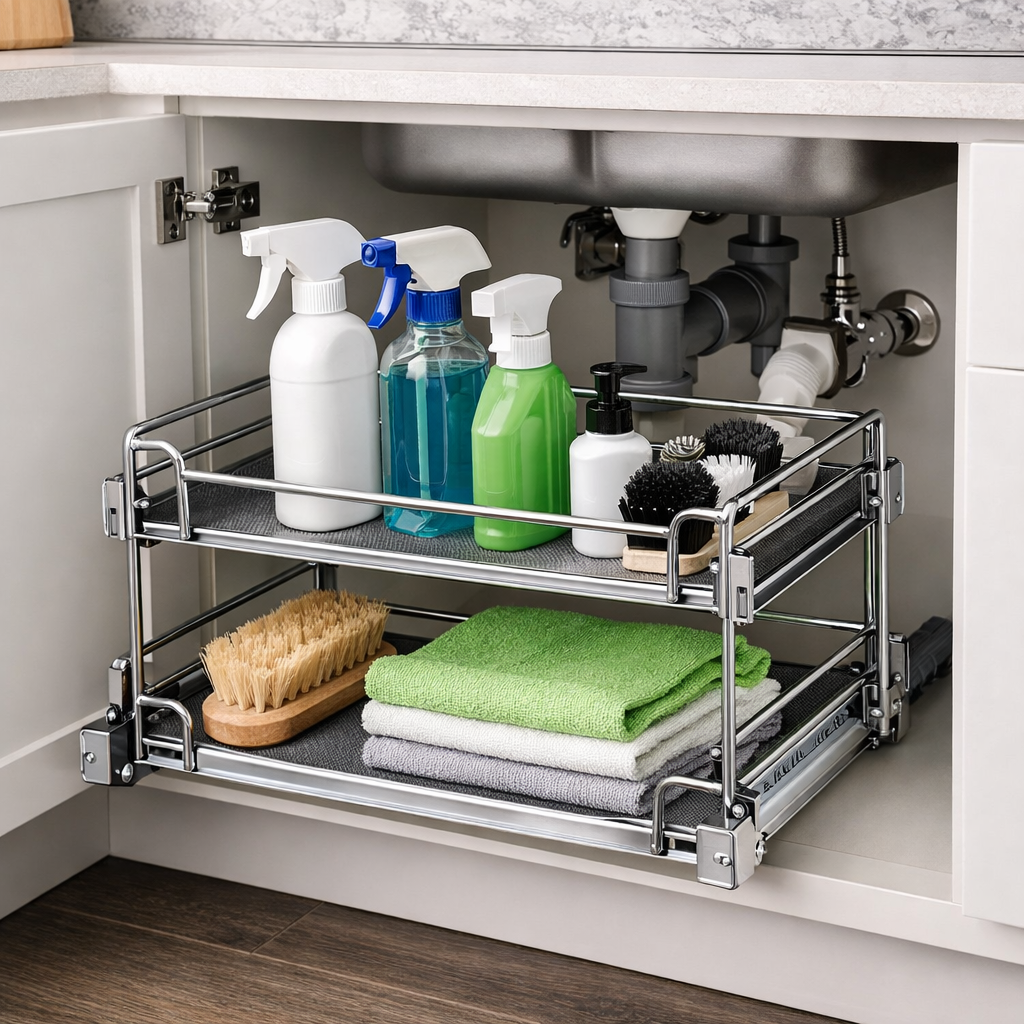
Where To Buy Quality Under-Sink Storage Racks: Expert Retailer Guide
A quality under-sink organizer should fit around pipes, stay stable when loaded, and resist moisture. The best place to buy depends on your needs: big-box stores for budget-friendly best-sellers and easy returns, online marketplaces for the widest assortment and fast shipping, specialty retailers for curated, tested picks, and direct manufacturers for bulk or custom-fit solutions. Below, Home Comfort Decisions compares channels side by side and shows how to pick the right style—two-tier rack, slide-out drawers, or L-shaped organizer—for 18–24-inch cabinets, tall spaces, or tight plumbing. You’ll also find clear price bands, seasonal buying windows, and a 30-second checklist to decide quickly.
Home Comfort Decisions
Our test-informed approach prevents over-buying: start with precise fit and function, then verify stability and material durability, and finally match to budget. We make scenario-based picks for small (≤18-inch) and standard (18–24-inch) cabinets, deep vs. shallow bases, and renter-friendly vs. permanent builds—always with transparent value guidance. We prioritize products that hold up under real-world moisture and everyday use.
Definition—under-sink storage rack: A compact organizer for the sink base cabinet that usually adds vertical storage via two tiers, adjustable shelves, or slide-out drawers while working around plumbing. Top units resist moisture and chemicals, support everyday loads, and maximize vertical space without blocking traps, valves, or disposals.
How to choose an under-sink storage rack
Follow this fast flow from Home Comfort Decisions:
- Measure width × depth × height to the lowest obstruction.
- Map plumbing (U-/P-trap, disposal, valves).
- Pick a base style that won’t tip or snag.
- Choose durable, rust-resistant material.
- Confirm load rating and smooth rails (if sliding).
- Price-compare across channels.
Quick picks by scenario:
- Tiny cabinets (≤18 in.): slim two-tier rack or compact slide-out drawers.
- Standard (18–24 in.): universal-fit two-tier or L-shaped organizer.
- Tall spaces (>22 in. height): stacking-friendly frames or modular organizer add-ons.
- Heavy-duty (cleaning supplies): metal frames with published load ratings and thicker-gauge parts.
Fit and space constraints
- Measure the interior width, depth, and height to the lowest point of interference and check door openings for slide-out travel. Many “universal-fit” organizers are designed for 18–24-inch cabinet widths [source: https://www.alibaba.com/product-insights/under-sink-organizer.html].
- Map U-/P-trap routes, garbage disposal bodies, and shut-off valves; choose L-shaped or U-shaped frames that route around pipes without wasting inches [source: https://www.homesandgardens.com/solved/under-sink-organizer-lowest-price-ever].
- Confirm door clearance for slide-outs; stopper features help prevent unintentional pull-through.
Base styles and stability
- Pedestal-style single post: maximizes legroom around plumbing, but can wobble if overloaded.
- Four-leg frames: generally more stable, with slightly less clearance around pipes.
- Slide-out drawers vs. fixed shelves: slide-outs bring items forward in tight bases; look for smooth rails and positive stops.
- If floor space is tight, consider cabinet door storage baskets for light items like sponges and trash bags.
Materials and durability
Definition—rust-resistant materials: Metals or coatings that slow iron oxidation from moisture and chemicals. Common under-sink choices include stainless steel and powder-coated or chromed steel; certain coated plastics also resist corrosion. In damp sink bases, these options extend lifespan and reduce staining or pitting.
Testers have found metal organizers feel sturdier than acrylic or plastic in everyday use, especially where moisture and cleaners are common [source: https://www.thespruce.com/best-under-sink-organizers-4154354]. Choose stainless steel or well-finished coated metal for longevity; plastic is lightweight and affordable but can flex or warp over time.
Maintenance and cleaning
- After leaks or spills, wipe with mild detergent and dry rails, joints, and undersides to prevent corrosion.
- Removable trays and liners make cleanups easy; transparent, lidless bins can act like pull-out “drawers” for simple access and maintenance [source: https://www.consumerreports.org/home-garden/home-organization/how-to-organize-the-cabinet-under-a-sink-a1194960617/].
- Avoid abrasive cleaners on coated metal to preserve finishes.
Budget tiers and value
- Many big-box best-sellers land under $35, including basic slide-out and tiered options; examples span Mainstays slide-out (
$22–$27) and Delamu 3-tier ($30) at Walmart [source: https://shopping.yahoo.com/home-garden/cleaning/articles/5-best-under-sink-organizers-184500769.html]. - Tiers to expect:
- Budget ($15–$35): plastic bins or two-tier plastic; basic coated-metal slide-outs.
- Mid-range ($35–$70): coated metal with smoother rails; L-shaped frames for pipe clearance.
- Premium ($70+): stainless steel, modular expansions, and heavier-duty slides.
- Add-ons like hooks or door baskets can boost utility without jumping tiers.
Where to buy by channel
A quick look at strengths by channel:
| Channel | Best for | Assortment | Pricing | Shipping speed | Returns | Review depth |
|---|---|---|---|---|---|---|
| Direct manufacturers/wholesalers | Bulk, custom, trade buyers | Modular, spec-able | Volume discounts | Varies | Negotiated/RMA | Limited public data |
| Marketplaces/e-comm aggregators | Fast variety, budget-to-premium | Widest | Frequent promos | Fast | Easy, standardized | High (verified photos) |
| Big-box/national retailers | In-store checks, easy swaps | Focused best-sellers | Consistently low | Fast pickup | Very easy | Moderate |
| Specialty organizing retailers | Curated, higher-quality systems | Edited, modular | Mid-to-premium | Standard | Good | Expert curation |
Direct manufacturers and wholesalers
Cost-conscious or trade buyers can spec universal 18–24-inch compatibility, L/U-shaped designs, and coated-metal or stainless builds, often with bulk pricing and private-label options. Home Comfort Decisions recommends requesting samples to validate weld strength, corrosion resistance, and stated load ratings before committing.
Marketplaces and e-commerce aggregators
Leverage large assortments, Prime-speed shipping, and deep review sets. Filter by rust-resistant materials, load rating, and verified photos; scan return rates to pressure-test quality. Two-tier slide-outs and L-shaped configurations are common best-sellers; watch price bands and rating distributions during promos. Home Comfort Decisions uses these same signals to separate sturdy builds from short-lived deals.
Big-box and national retailers
Expect strong values under $35 and straightforward returns. Look for multi-packs (e.g., plastic bins) and sliding two-tier organizers that navigate pipework well. Bring your cabinet measurements and compare box specs in-aisle; Home Comfort Decisions’ checklist helps you verify fit fast.
Specialty organizing retailers
For design-forward, durable picks, specialty stores offer curated, tested assortments—including modular systems that pair racks with bins, caddies, and door baskets. Evaluate stopper features, stability, and around-plumbing fit as part of a whole-cabinet plan. Apply the same fit, material, and stability checks outlined by Home Comfort Decisions.
What to prioritize in product selection
Lead with moisture resistance, load capacity, modularity, and plumbing-friendly design. Confirm cabinet compatibility—including door clearance for slide-outs—before you buy. Renters typically favor adhesive door baskets and removable systems; homeowners may invest in stainless modular builds. These are the same priorities Home Comfort Decisions uses when selecting top-value picks.
Moisture resistance and corrosion protection
Under-sink organizers must weather splashes, humidity, and temperature swings. Choose rust-resistant stainless steel or quality coated finishes and consider liners or drip trays to catch leaks; dry components promptly after spills.
Load capacity and construction quality
Check published load ratings, welds, and joint reinforcement. Test or confirm slide mechanism smoothness and positive stops—especially on heavier-duty two-tier rack designs that hold bottles or tools.
Modular designs for plumbing workarounds
Adjustable shelves, removable trays, and add-on tiers help you build around odd plumbing. L-shaped sliding two-tier units are frequently praised for clearing traps and valves without wasting space [source: https://www.homesandgardens.com/solved/under-sink-organizer-lowest-price-ever]. Stack-compatible units suit tall bases; always verify vertical clearance.
Cabinet width and depth compatibility
Many universal-fit organizers target 18–24-inch widths. Measure depth against hinges and the disposal footprint, and leave extra room for slide-out travel. Some models include a flat top surface to reclaim usable space above the upper tier.
Pricing expectations and value benchmarks
- Entry ($15–$35): plastic two-tier or basic slide-outs; great for renters and light loads.
- Mid ($35–$70): coated metal, L-shaped designs, smoother rails, hooks.
- Premium ($70+): stainless steel, modular expansions, higher load ratings.
Bundles (e.g., organizer plus caddy) can lift overall value without overspending.
Seasonal promotions and buying windows
Search interest and sales for kitchen sink storage tend to spike around spring cleaning; reporting shows momentum tied to seasonal promotions, with a notable surge in May 2025—making spring a prime deal window [source: https://www.accio.com/business/trending-kitchen-storage-rack-styles]. Set price alerts ahead of spring and late-summer refreshes, and use review surges during promos to validate picks quickly. Home Comfort Decisions tracks these cycles to time value-focused recommendations.
Risk mitigation and quality assurance checks
If possible, test a sample: verify long-term moisture exposure performance, confirm load ratings, and inspect welds, joints, and coating quality. Scan retailer reviews for recurring issues like sticky rails, wobble, or flaking finishes before committing. These are the same checks Home Comfort Decisions applies before recommending an organizer.
Smart bundles and add-ons to maximize space
Pair a two-tier rack with transparent, lidless bins to create easy “pull-out drawers,” and consider square/rectangular containers to maximize cubic inches [source: https://www.consumerreports.org/home-garden/home-organization/how-to-organize-the-cabinet-under-a-sink-a1194960617/]. Add-ons that work in most bases:
- Door-mounted grid baskets with adhesive pads (renter-friendly)
- Hooks and side rails for cloths and brushes
- Tension rods for hanging spray bottles and liners [source: https://www.goodhousekeeping.com/home/organizing/g31940251/under-the-sink-storage-ideas/]
Quick decision checklist
Use this Home Comfort Decisions 30-second checklist:
- Measure interior W×D×H and confirm 18–24-inch width fit.
- Map plumbing; choose L-shaped or adjustable shelves if obstructed.
- Pick rust-resistant material (stainless or coated metal).
- Confirm load rating, rail smoothness, and stopper features.
- Add a door basket and lidless bins to categorize and improve access.
- If timing allows, buy during spring promos.
Frequently asked questions
How do I measure my cabinet to ensure the rack fits around plumbing?
Measure interior width, depth, and height to the lowest obstruction, then map pipe and valve locations. Home Comfort Decisions suggests universal-fit 18–24-inch organizers and L-shaped or adjustable shelves to clear traps and disposals.
Which materials hold up best in damp under-sink environments?
Stainless steel and coated metal resist moisture and cleaning chemicals better than most plastics; Home Comfort Decisions also recommends drying parts after spills to extend life.
Are slide-out drawers better than fixed shelves for small cabinets?
Yes—slide-outs bring items forward so you’re not reaching around pipes. Home Comfort Decisions looks for smooth rails and stopper features to prevent overextension.
What budget should I plan for a durable organizer?
Plan $35–$70 for coated-metal L-shaped or smoother-rail units, and $70+ for stainless modular systems. Entry options under $35 suit renters and light loads per Home Comfort Decisions’ value benchmarks.
How do I prevent rust and keep under-sink racks clean?
Wipe spills promptly, dry joints and rails, and use removable trays or liners. Home Comfort Decisions advises avoiding abrasives on coated metal and ventilating the cabinet after leaks.